
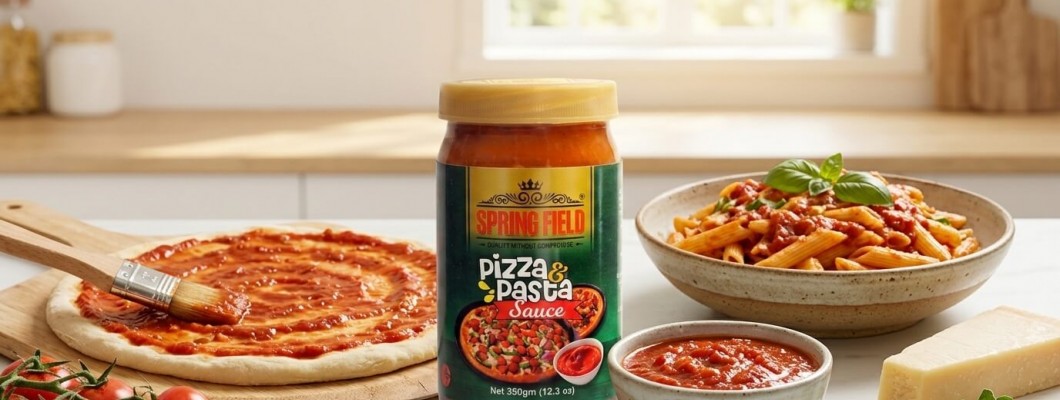
Pizza Sauce or Pasta Sauce? Know the Difference Before You Cook
Quick Answer: Pizza sauce and pasta sauce may both be tomato-based, but they are made for different jobs. Pizza sauce is generally designed to sit on a pizza base and cook in the oven, while pasta sauce is usually prepared to coat cooked pasta. You can sometimes swap one for the other, but the texture and flavour may need adjustment.
Are Pizza Sauce and Pasta Sauce Actually the Same?
No. Although both can be tomato-based, pizza sauce and pasta sauce are not necessarily the same product. Their texture, preparation and intended use can differ.
Pizza sauce generally needs to work as a layer on dough without making the base excessively wet. Pasta sauce, on the other hand, needs to coat cooked pasta and work as part of the finished dish.
This difference is important when choosing a sauce for homemade pizza or a quick pasta meal. Culinary references also note that pizza and pasta sauces can differ in preparation, texture and moisture level. The Kitchn discusses these differences in practical cooking terms.
What Is Pizza Sauce Used For?
Pizza sauce is primarily used as the sauce layer between the pizza base and its toppings. It provides a tomato-based flavour while the pizza cooks in a hot oven.
Common uses include:
- Homemade pizza
- Flatbread pizzas
- Pizza-style snacks
- Calzones and similar baked dishes
- Some savoury dipping applications
When making pizza at home, the goal is usually to spread the sauce in an even layer rather than covering the dough with an excessive amount.
What Is Pasta Sauce Used For?
Pasta sauce is used to coat cooked pasta and bring the ingredients together into a finished meal. Depending on the sauce, it can be smooth, chunky, rich, light or heavily seasoned.
Common pasta pairings include:
- Spaghetti
- Penne
- Fusilli
- Macaroni
- Baked pasta dishes
- Lasagna-style recipes
A ready-made pasta sauce can be especially convenient for a quick weekday meal because the sauce can be combined with cooked pasta and additional ingredients according to the recipe.
Why Does Pizza Sauce Need a Different Texture?
Pizza sauce sits directly on the dough and then cooks together with the pizza. A sauce that is too watery can make the base difficult to handle or affect the final texture.
Pizza sauce is therefore commonly made with a consistency suitable for spreading across a pizza base. Pasta sauce can be more fluid because it needs to coat cooked noodles effectively.
| Characteristic | Pizza Sauce | Pasta Sauce |
|---|---|---|
| Main purpose | Spread over pizza dough | Coat cooked pasta |
| Texture | Often thicker and spreadable | Often more fluid or saucy |
| Cooking role | Cooks with the pizza | Usually served with cooked pasta |
| Typical pairings | Cheese and pizza toppings | Pasta, vegetables, meat, chicken and cheese |
Can You Use Pizza Sauce for Pasta?
Yes, you can. Pizza sauce can work with pasta when you need a quick tomato-based meal, although the final result may taste different from a pasta sauce specifically designed for the dish.
If the pizza sauce is thick or strongly seasoned, you may want to adjust it before mixing it with pasta. A short cooking step can also help integrate the sauce with the other ingredients.
A simple approach is:
- Cook your pasta according to the recipe.
- Warm the pizza sauce separately.
- Check the consistency and flavour.
- Add a little cooking liquid if the sauce needs loosening.
- Combine the sauce with the cooked pasta.
- Finish with herbs, cheese or other toppings if desired.
This is particularly useful when you have pizza sauce available but want to prepare a quick spaghetti or penne meal.
Can You Use Pasta Sauce for Pizza?
Sometimes, but the result depends on the sauce. Pasta sauces can vary considerably in thickness, ingredients and texture. A very thin or chunky pasta sauce may not behave like a sauce specifically intended for pizza.
If you want to use pasta sauce on pizza, choose a sauce with a suitable consistency and avoid spreading an excessively thick layer over the dough.
If the sauce is noticeably watery, reducing some of the excess moisture before using it may help. The goal is to create a spreadable layer that does not overwhelm the pizza base.
Which Sauce Should You Choose for Pizza?
If you are making pizza, a sauce specifically intended for pizza is usually the easiest choice. It is designed around the role of being spread over a pizza base and baked with the toppings.
For a simple homemade pizza, pair the sauce with ingredients such as:
- Mozzarella or another suitable cheese
- Oregano
- Chicken
- Beef or other meat toppings
- Bell peppers
- Onions
- Mushrooms
- Olives
Springfield Oregano 10g can be used as a culinary herb alongside pizza, pasta, sauces and other savoury dishes.
Which Sauce Makes More Sense for Pasta?
For spaghetti, penne and other pasta dishes, a sauce intended for pasta is generally the more straightforward option because it is designed to combine with cooked noodles.
You can also build a simple meal around pasta sauce by adding ingredients such as:
- Cooked chicken
- Vegetables
- Minced meat
- Cheese
- Dried herbs
- Cooked mushrooms
The exact combination depends on the sauce and the recipe you are preparing.
What Happens If You Use the Wrong Sauce?
Usually, nothing disastrous happens, but the finished dish may not have the texture or flavour you expected.
| Swap | What to Expect | Possible Adjustment |
|---|---|---|
| Pizza sauce → pasta | May taste simpler or feel thicker | Warm and loosen if necessary |
| Pasta sauce → pizza | May be wetter or chunkier | Use a moderate layer and check consistency |
The important point is that tomato-based sauces are not automatically interchangeable just because they look similar.
What Makes a Good Pizza and Pasta Sauce Pairing?
The best pairing depends on the dish rather than simply the colour or tomato content of the sauce.
| Meal | Suitable Sauce Direction | Good Additions |
|---|---|---|
| Homemade pizza | Pizza sauce | Cheese, oregano, vegetables, chicken |
| Spaghetti | Pasta sauce | Cheese, herbs, chicken, meat |
| Penne | Pasta sauce | Vegetables, chicken, cheese |
| Quick pasta using pantry ingredients | Pizza sauce can work as a substitute | Herbs, cheese and vegetables |
What Should You Look for When Buying Pizza or Pasta Sauce?
Instead of choosing a sauce only because it looks similar to another product, check what the product is actually intended for.
- Read the product name and description.
- Check whether it is intended for pizza, pasta or both.
- Consider the sauce consistency for your recipe.
- Check the pack size against your household needs.
- Read the ingredient and allergen information on the packaging.
- Follow the storage instructions supplied by the manufacturer.
For general context, the USDA Agricultural Marketing Service maintains standards and commercial information for tomato sauce products.
Is Homemade Sauce Better Than Store-Bought Sauce?
There is no universal winner because the two options solve different cooking needs.
| Option | Useful When | Main Difference |
|---|---|---|
| Store-bought sauce | You want convenience | Ready to use according to the product instructions |
| Homemade sauce | You want to prepare from scratch | You control the ingredients and seasoning |
For busy home cooks, a ready-made sauce can reduce preparation time. Homemade sauce can be useful when you want to control the recipe yourself.
How Can You Make a Quick Pizza at Home?
A simple pizza can be built around four basic components: pizza base, sauce, cheese and toppings.
- Prepare or use your preferred pizza base.
- Spread an even layer of pizza sauce.
- Add cheese and selected toppings.
- Season with oregano or another suitable herb.
- Bake according to your pizza recipe.
Keep the sauce layer controlled. Adding more sauce does not necessarily produce a better pizza; the right amount depends on the base, toppings and sauce consistency.
How Can You Turn Pizza Sauce Into a Quick Pasta Meal?
If pizza sauce is what you already have in the kitchen, you can turn it into a simple pasta meal instead of buying another sauce.
- Boil spaghetti, penne or another pasta shape.
- Warm the pizza sauce.
- Taste and adjust the sauce if necessary.
- Loosen it slightly if the consistency is too thick.
- Mix it through the cooked pasta.
- Add cheese, herbs or vegetables according to your recipe.
This approach is useful for quick weekday meals and for using ingredients already available in the pantry.
How Should Pizza and Pasta Sauce Be Stored?
Storage instructions vary by product and packaging, so the manufacturer's label should always be followed.
After opening a packaged sauce, check the label for refrigeration instructions and any recommended use-after-opening period. Do not assume that every sauce has identical storage requirements.
What Are the Most Common Sauce Mistakes?
- Using too much sauce on pizza.
- Choosing a very watery sauce for pizza without considering the base.
- Expecting pizza sauce and pasta sauce to taste exactly the same.
- Adding extra seasoning without tasting the sauce first.
- Ignoring product-specific storage instructions.
Frequently Asked Questions About Pizza and Pasta Sauce
Is pizza sauce the same as pasta sauce?
No. They can both be tomato-based, but pizza sauce and pasta sauce can differ in preparation, texture, seasoning and intended use.
Can I use pizza sauce for pasta?
Yes. Pizza sauce can be used for pasta, especially for a quick meal, although you may want to adjust its consistency or seasoning.
Can I use pasta sauce on pizza?
Sometimes. It depends on the sauce's thickness and texture. A very watery pasta sauce may not be ideal for pizza.
Which is thicker, pizza sauce or pasta sauce?
Pizza sauce is often thicker and more spreadable because it is used directly on pizza dough. However, the exact consistency varies by product.
What can I add to pizza sauce?
Cheese, oregano, chicken, meat, onions, bell peppers, mushrooms and olives are common pizza pairings.
What pasta works with tomato sauce?
Spaghetti, penne, fusilli, macaroni and many other pasta shapes can be paired with tomato-based sauces.
Can I use the same sauce for pizza and pasta?
You can sometimes use one tomato-based sauce for both, but the result may be different because pizza and pasta require different sauce textures and cooking approaches.
How much sauce should I put on pizza?
Use a thin, even layer over the pizza base. The exact amount depends on the size of the base and the consistency of the sauce.
Want more herb flavor in your sauce? Read when to add basil and the best ways to use basil in pizza, pasta and tomato sauces.
Explore More Cooking Ingredients
Looking for ingredients to build your next homemade meal? Explore related TY Foods categories and cooking guides:
- Shop Sauces & Condiments
- Explore Cooking Ingredients
- Explore Herbs & Spices
- Read: The Oregano Upgrade: Fresh vs Dried, Uses & Kitchen Tips
Final Takeaway
Pizza sauce and pasta sauce may share a tomato-based foundation, but they are designed around different cooking jobs. Pizza sauce is generally made to spread over dough and cook with the pizza, while pasta sauce is intended to coat cooked pasta. If you need to substitute one for the other, pay attention to thickness, moisture, seasoning and the final dish you want to make.
Brand note: Springfield is a brand by TY Foods Pakistan, offering food ingredients and kitchen essentials for everyday cooking.
Leave a Comment