
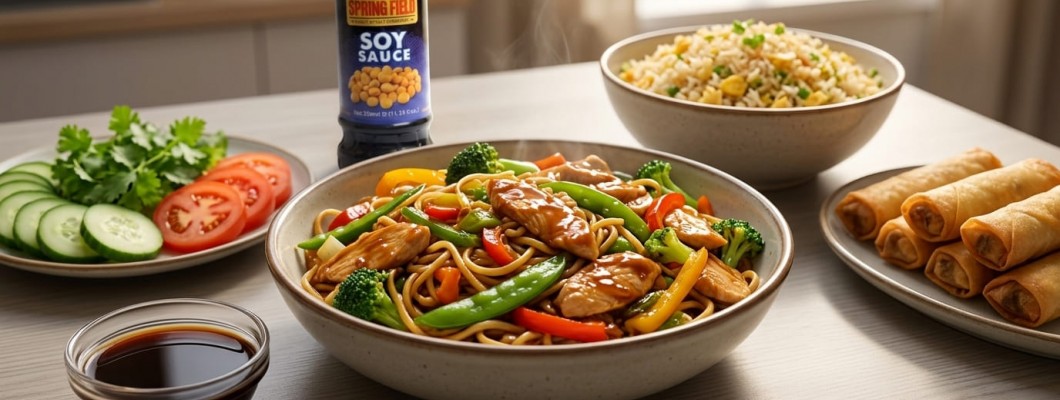
The Umami Upgrade: Soya Sauce Uses, Tips & Food Pairings
Quick Answer: Soya sauce is a savoury condiment used to add salty, rich and umami flavour to foods such as noodles, fried rice, stir-fries, marinades, vegetables, chicken and dipping sauces. For everyday cooking, add a small measured amount and taste before adding more, because the sauce can contribute both flavour and saltiness.
What Is Soya Sauce?
Soya sauce, also commonly called soy sauce, is a savoury sauce widely used in Asian cooking and food preparation. It is valued for its characteristic salty and umami-rich flavour.
In everyday cooking, soya sauce can be used directly as a condiment, incorporated into a stir-fry or mixed with other ingredients to create a marinade or dipping sauce.
Because soya sauce contributes a noticeable savoury flavour, it is usually best added gradually rather than poured in large quantities at once.
What Is Soya Sauce Used For?
Soya sauce is mainly used to add savoury flavour, saltiness and umami depth to meals. Common uses include:
- Fried rice
- Noodles
- Stir-fried vegetables
- Chicken and meat dishes
- Marinades
- Dipping sauces
- Asian-inspired soups and broths
- Sandwiches and wraps
- Rice and vegetable bowls
It can be used during cooking or served alongside food, depending on the recipe.
How Do You Use Soya Sauce in Cooking?
Add soya sauce gradually while cooking, mix it evenly with the ingredients and taste before adding more. This gives you better control over the saltiness and savoury flavour of the dish.
Simple Cooking Method
- Prepare the main ingredients of your recipe.
- Add a small measured amount of soya sauce.
- Mix thoroughly so the sauce coats the ingredients evenly.
- Allow the dish to cook and absorb the flavour.
- Taste before deciding whether additional soya sauce is needed.
This method works particularly well for noodles, fried rice, stir-fries and vegetable dishes.
Can You Use Soya Sauce in Fried Rice?
Yes. Soya sauce is a popular ingredient in fried rice because it adds savoury flavour and helps season the rice and other ingredients.
Add it gradually while tossing the rice with vegetables, chicken, egg or other ingredients. Mix thoroughly so the sauce is distributed throughout the dish.
Easy Fried Rice Tip
If your fried rice already contains salty ingredients, use less soya sauce and taste before adding more. This helps keep the final dish balanced.
Can You Use Soya Sauce in Noodles?
Yes. Soya sauce works well in many noodle dishes and can be added during cooking or mixed into a simple noodle sauce.
For a quick noodle preparation, combine soya sauce with ingredients such as garlic, ginger, chilli sauce or other suitable seasonings. Toss the cooked noodles through the mixture until evenly coated.
Can Soya Sauce Be Used for Stir-Fry?
Yes. Soya sauce is a useful seasoning for stir-fried vegetables, chicken, meat and noodles. Add it after the main ingredients have started cooking and toss everything together so the sauce coats the food evenly.
For a simple stir-fry, combine vegetables with your preferred protein and add soya sauce toward the later part of cooking. You can combine it with other sauces or seasonings depending on the recipe.
Can Soya Sauce Be Used as a Marinade?
Yes. Soya sauce can be included in marinades for chicken, meat and selected vegetables. Its savoury flavour can complement ingredients such as garlic, ginger, chilli, vinegar and other seasonings.
A simple marinade can combine soya sauce with garlic, ginger and a small amount of another suitable seasoning. Coat the food evenly and follow the cooking instructions for the specific recipe.
Can Soya Sauce Be Used as a Dipping Sauce?
Yes. Soya sauce can be served as a dipping sauce or combined with other ingredients to create a more complex dip.
For example, combine soya sauce with chilli sauce, garlic, ginger or a small amount of vinegar for a savoury dipping sauce that works with selected snacks, dumplings, spring rolls and other foods.
What Foods Pair Well With Soya Sauce?
| Food | How Soya Sauce Can Be Used |
|---|---|
| Noodles | Mix into noodles or use as part of a noodle sauce |
| Fried Rice | Season rice while tossing with vegetables, egg or protein |
| Chicken | Use in marinades, stir-fries or savoury sauces |
| Vegetables | Add to stir-fried or cooked vegetables |
| Spring Rolls | Serve as a dipping sauce or combine with other seasonings |
| Rice Bowls | Drizzle or mix into savoury rice preparations |
| Meat | Use as part of a marinade or cooking sauce |
How Much Soya Sauce Should You Use?
The right amount depends on the recipe, serving size and other salty ingredients. Start with a small quantity, mix well and taste before adding more.
Using a measured amount is especially helpful when preparing fried rice, noodles and stir-fries because several other ingredients may already contribute salt.
Kitchen tip: If you are adding soya sauce to a recipe for the first time, add it gradually rather than seasoning the entire dish heavily at once.
Light Soya Sauce vs Regular Soya Sauce
The terms used for different soya sauce varieties can vary between brands and markets. Always check the product label and recipe instructions rather than assuming two bottles have exactly the same flavour or salt level.
| Consideration | What to Check |
|---|---|
| Flavour | Choose according to the taste profile required by your recipe |
| Saltiness | Check the product information and adjust the quantity accordingly |
| Recipe | Follow the specific sauce recommendation where available |
| Cooking Style | Use a sauce that suits noodles, stir-fries, marinades or dipping |
Soya Sauce vs Chilli Sauce: What's the Difference?
Soya sauce and chilli sauce serve different purposes in cooking. Soya sauce primarily provides savoury, salty and umami flavour, while chilli sauce is used to add chilli flavour and heat.
| Feature | Soya Sauce | Chilli Sauce |
|---|---|---|
| Main Purpose | Savoury seasoning and umami flavour | Chilli flavour and spicy character |
| Common Uses | Noodles, fried rice, stir-fries and marinades | Dips, fries, burgers, sandwiches and spicy recipes |
| Flavour Profile | Savoury and salty | Chilli-forward and spicy |
| Can They Be Combined? | Yes | Yes |
Can You Mix Soya Sauce With Chilli Sauce?
Yes. Soya sauce and chilli sauce can be combined to create a savoury and spicy sauce.
This combination can work well with noodles, stir-fried vegetables, chicken, spring rolls and other Asian-inspired dishes. Start with a small amount of each sauce and adjust according to the flavour you want.
Who Is Soya Sauce Best For?
Soya sauce is particularly useful for home cooks who prepare noodles, fried rice, stir-fries and Asian-inspired meals.
It can also be useful for:
- Families preparing quick weekday meals
- Home cooks experimenting with Asian-inspired recipes
- People making homemade noodles and fried rice
- Restaurants and cafés
- Caterers and commercial kitchens
- Food businesses preparing larger quantities
For occasional home use, a smaller bottle can be practical. Frequent cooks and commercial kitchens may prefer a larger pack size.
Which Soya Sauce Pack Size Should You Choose?
| Pack Size | Best For |
|---|---|
| 120ml | Occasional home cooking and smaller recipes |
| 330ml | Regular household cooking and family meals |
| 750ml | Frequent cooking and larger household use |
| 3.5L | Restaurants, catering and higher-volume food preparation |
For regular home cooking, a medium-sized bottle can be convenient, while the larger 3.5L format is more suitable for restaurants, caterers and food businesses that use soya sauce frequently.
What Is the Best Way to Use Soya Sauce at Home?
The best approach is to add soya sauce gradually, mix it evenly and taste before adding more. This simple method gives you better control over the savoury flavour and saltiness of your meal.
For example, when making fried rice for a family meal, add a measured amount while tossing the rice and vegetables, mix thoroughly and taste. If more flavour is needed, add a little more rather than adding a large amount at once.
Common Soya Sauce Mistakes to Avoid
- Adding too much at once: The dish can become overly salty.
- Ignoring other salty ingredients: Consider the salt contribution from other sauces and seasonings.
- Not mixing properly: Uneven mixing can leave some parts of the dish heavily seasoned.
- Using the same quantity for every recipe: Noodles, rice, marinades and dips may need different amounts.
- Confusing soya sauce with chilli sauce: They provide different flavour functions.
- Choosing the wrong pack size: Match the bottle size to your cooking frequency and volume.
Frequently Asked Questions About Soya Sauce
What is soya sauce used for?
Soya sauce is used to add savoury, salty and umami flavour to noodles, fried rice, stir-fries, marinades, vegetables, chicken, meat and dipping sauces.
Can I use soya sauce in fried rice?
Yes. Add it gradually while tossing fried rice with its other ingredients and taste before adding more.
Can I use soya sauce in noodles?
Yes. Soya sauce can be mixed into noodles or used as part of a noodle sauce with other suitable seasonings.
Can I use soya sauce for chicken?
Yes. It can be used in chicken stir-fries, marinades and savoury cooking sauces.
Can I put soy sauce in fried rice?
Yes. Soy sauce is commonly added to fried rice, noodles and stir-fries, and also used in marinades. Add a little at a time and taste, because it is salty.
Can soya sauce be used as a marinade?
Yes. It can be combined with ingredients such as garlic, ginger and other seasonings to create a marinade for suitable foods.
Can I mix soya sauce and chilli sauce?
Yes. Combining the two creates a savoury and spicy sauce that can work well with noodles, stir-fries, chicken and snacks.
Is soya sauce the same as soy sauce?
Yes. “Soya sauce” and “soy sauce” are commonly used names for the same type of savoury sauce, although individual products and varieties can differ.
How much soya sauce should I use?
The amount depends on the recipe and other ingredients. Start with a small measured quantity and adjust gradually after tasting.
Which soya sauce size should I buy?
Smaller bottles are practical for occasional home use, medium sizes suit regular household cooking, and larger formats are more appropriate for frequent cooking, catering and commercial kitchens.
Who makes Springfield Soya Sauce?
Springfield is a brand by TY Foods Pakistan. Springfield Soya Sauce is available in different pack sizes for household and higher-volume cooking needs.
Explore More TY Foods Cooking Ingredients
For more pantry essentials, explore the TY Foods Cooking Ingredients collection for ingredients used in everyday meals.
You can also explore the Sauces & Condiments collection for soya sauce, chilli sauce, hot sauce, vinegar and other culinary sauces.
If you enjoy spicy food, explore our Chilli Sauce Guide for serving, dipping and cooking ideas.
For another spicy option, read our Hot Sauce Guide for ideas with eggs, noodles, burgers, fries and savoury meals.
Key Takeaway
Soya sauce is a versatile savoury ingredient that can quickly add umami depth to everyday meals. Use it in noodles, fried rice, stir-fries, marinades, chicken, vegetables and dipping sauces. Start with a measured amount, mix it evenly and taste before adding more.
For occasional cooking, choose a smaller pack. For regular household use, a medium or larger bottle can be more practical, while restaurants, caterers and food businesses can benefit from higher-volume formats.
Springfield is a brand by TY Foods Pakistan, offering cooking sauces and pantry ingredients for home kitchens, food businesses and commercial food preparation.
Leave a Comment